Queen Caroline Estate Hammersmith removals tips for tenants
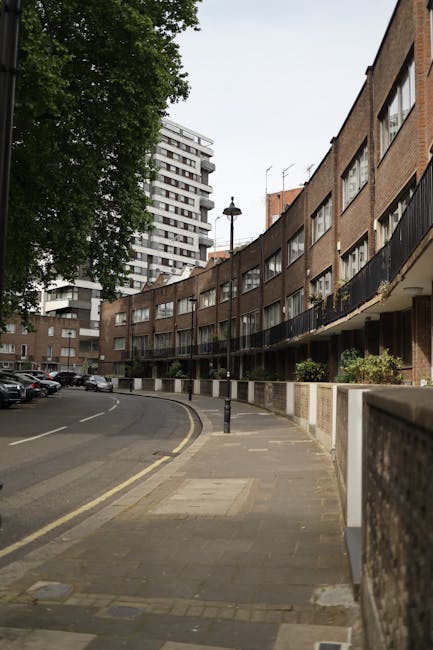
Moving out of a flat is rarely just about boxes and bubble wrap. If you live at Queen Caroline Estate in Hammersmith, you will probably be dealing with lift access, shared corridors, parking quirks, neighbours who are trying to get on with their day, and the usual end-of-tenancy deadline breathing down your neck. That is exactly why these Queen Caroline Estate Hammersmith removals tips for tenants are worth reading before moving day gets noisy and rushed.
Truth be told, the smoothest moves are usually the boring ones: the ones planned early, packed sensibly, and checked twice. This guide walks you through the practical side of tenant removals in a London estate setting, from timing and access to packing, storage, compliance, and the mistakes that cause avoidable stress. A little preparation goes a long way. And yes, it can save money too.
Why Queen Caroline Estate Hammersmith removals tips for tenants Matters
Estate moves are a different beast from a quick hop out of a house on a quiet street. In a place like Queen Caroline Estate, you are usually working around shared entrances, other tenants, bins, lifts, stairwells, and sometimes very limited stopping space outside. If one detail goes wrong, the whole day can start slipping. A van arrives too early. Boxes are not labelled. The lift is busy. Someone forgot to tell the landlord about carpet protection. Suddenly the move feels twice as hard.
That is why good tenant removals advice matters. It is not just about carrying furniture from A to B. It is about reducing friction for everyone involved: you, your neighbours, your building manager, and anyone helping with the move. A well-run move helps protect your deposit, avoids awkward disputes, and makes it much easier to hand back the property in proper condition.
There is also the human side. Moving is one of those life admin tasks that looks simple on paper and somehow turns into an all-day scramble. If you are juggling work, school runs, or packing around the smell of tape and dust, a clear plan takes a lot of pressure off. That matters more than people admit.
How Queen Caroline Estate Hammersmith removals tips for tenants Works
At its core, a tenant move at Queen Caroline Estate works best when you treat it like a small project with a few fixed stages. First, you confirm your move-out date and review your tenancy obligations. Then you plan access, packing, transport, cleaning, and final checks. If any storage is needed, you decide that early rather than on the day the hallway is full of boxes and everyone is fed up.
The process usually looks something like this:
- Review your tenancy and notice period. Know your end date, check what condition the flat should be in, and note any required inspections.
- Measure the tricky items. Sofas, wardrobes, beds, and white goods are the usual troublemakers. Measure doorways, lifts, and stair turns too.
- Book transport and helpers. Whether that is a removal van, a friend with a car, or a full packing service, get it confirmed early.
- Pack in stages. Start with non-essentials and label everything clearly by room and priority.
- Protect the property. Use covers, floor protection, and sensible handling to avoid scuffs, leaks, or accidental damage.
- Leave time for final cleaning and checks. The last hour is never calm if you leave all the work for it.
In practice, the move becomes much easier when you think in terms of access, timing, and condition. Those are the three pressure points. Get them right and most of the other pieces fall into place. Get them wrong and, well, you spend the afternoon hunting for screws and wondering where the kettle packed itself away.
Key Benefits and Practical Advantages
Good removals planning is not just a nice-to-have. It has real benefits for tenants, especially in a busy London neighbourhood where space is tight and schedules are tighter.
| Benefit | What it means in practice | Why tenants notice it |
|---|---|---|
| Less stress | You move in a sequence rather than in a panic | The day feels manageable instead of chaotic |
| Lower damage risk | Furniture, walls, floors, and doors are better protected | Fewer repair disputes and deposit deductions |
| Better timing | Lift use, van arrival, and handover happen in a sensible order | You avoid wasted waiting time and extra charges |
| Cleaner handover | Final cleaning and checks are done properly | The property is easier to return in acceptable condition |
| More flexibility | Storage can bridge timing gaps between tenancies | You are not forced into a rushed move |
For tenants, that extra flexibility can be the difference between a neat, tidy handover and a weekend that disappears into boxes. And yes, the calm route usually ends up cheaper than the last-minute route. Funny how that works.
If you are looking at reliable local support, it is worth reviewing the team behind Storage Hammersmith as part of your planning. Knowing who you are dealing with builds confidence, especially when you are trusting someone with your belongings during a transition.
Who This Is For and When It Makes Sense
These tenant removals tips are useful for more people than you might think. They are not only for students or first-time renters. They help anyone moving out of a flat, maisonette, or rented home where access is shared and timing matters.
You will likely find this guide especially useful if you are:
- ending a tenancy at Queen Caroline Estate
- moving to another part of Hammersmith or elsewhere in West London
- between tenancies and need temporary storage
- trying to move around work, family, or shift patterns
- coordinating a move with flatmates
- nervous about getting your deposit back in full
It also makes sense if your move is only partly clear. Maybe the new flat is not quite ready. Maybe the tenancy overlap is awkward. Maybe you are waiting for keys, or the new property still has painting or cleaning going on. In those situations, storage can be the quiet little lifesaver in the middle of the mess.
To be fair, plenty of people underestimate how long the final stage takes. They pack early, then leave bin bags, cables, cleaning products, and documents until the last minute. That last 10% is where the headaches usually live.
Step-by-Step Guidance
Here is a practical move-out sequence that works well for tenants in estate-style accommodation. It is simple, but not simplistic. That matters.
1. Confirm your end date and read your tenancy notes
Before you book anything, check your tenancy agreement and any written move-out instructions. Look for notice dates, cleaning expectations, meter readings, and whether you need to arrange an inspection. If anything is unclear, ask early rather than guessing. Guessing is expensive in moving week.
2. Sort what is moving, what is staying, and what can be recycled
Make three piles: keep, store, and let go. It helps to be ruthless. That cracked bedside table you have been ignoring? If it is not worth moving, do not move it. If you cannot dispose of unwanted items responsibly in time, check the company's recycling and sustainability approach so you understand how waste and re-use are handled.
3. Measure access points before move day
Measure your largest items and compare them with hallways, doors, lifts, and any tight corners. A wardrobe that fits on paper can still be awkward in a real stairwell. Most of us have had that moment where the sofa turns sideways and everyone goes quiet. Best to avoid it if you can.
4. Book your moving support and storage early
If you need short-term storage, book it before the pressure peaks. If you are comparing options and trying to keep costs sensible, you can start with pricing and quotes information so you have a clearer picture of the budget. Early planning often gives you more choice and less panic.
5. Pack by room and priority
Use a simple system. Label boxes by room, contents, and urgency. For example: kitchen - daily essentials; bedroom - winter clothes; study - documents and cables. Keep one separate bag for immediate essentials such as toiletries, chargers, medication, snacks, and a change of clothes. You will thank yourself later, usually about ten minutes after arriving at the next place.
6. Protect fragile items and furniture properly
Wrap glass, mirrors, and electronics carefully. Remove table legs if possible. Tape loose cords. Put heavier items at the bottom of boxes and do not overfill them. You want boxes that can be lifted without sounding like they are full of broken promises.
7. Clean as you go
Do not leave all the cleaning for the final hour. Wipe down cupboards, defrost the freezer in good time, and deal with marks on walls or floors where allowed. A moving day that includes a full clean is already long. A move-out clean added to a full packing job? That is where people start muttering to themselves.
8. Do a final walkthrough
Before handing back keys, walk through every room slowly. Open cupboards. Check under beds. Look inside the airing cupboard. People leave things in odd places when they are tired. Pens, keys, documents, the odd charger cable. It happens.
Expert Tips for Better Results
Here are the little things that make a surprisingly big difference. They are not glamorous, but they work.
- Pack a survival box. Include tea bags, milk, toilet roll, phone chargers, tape, a basic tool kit, and bin bags.
- Photograph the property before leaving. This can help if there is any later discussion about condition or damage.
- Keep documents together. Tenancy papers, inventory reports, receipts, and utility details should not get buried in a box of saucepans.
- Use clear labels. "Kitchen" is better than "misc.". "Bedroom - bedding" is better than "stuff."
- Book a buffer. If your tenancy ends on a Friday, do not assume the whole move will be finished by mid-afternoon. Life rarely cooperates that neatly.
- Plan for awkward items first. Bikes, mirrors, desks, and mattress toppers often take longer than expected.
One small but useful habit is to keep a "do not pack" corner. Put anything needed for the last 24 hours in one visible place. It sounds obvious, but when the flat is full of half-sealed boxes, obvious is a luxury.
If you want to understand the standards around handling, protection, and safe storage better, take a look at the company's health and safety policy and insurance and safety information. Those details matter more than people think when belongings are in transit or storage.
Common Mistakes to Avoid
Even careful tenants can trip over the same few problems. The good news? They are avoidable if you spot them early.
- Leaving packing too late. The final-night box frenzy rarely ends well.
- Ignoring access restrictions. If a lift is too small or parking is limited, find out before the van arrives.
- Not checking measurements. A bed frame that fits in your current room might not fit through the stairwell.
- Forgetting the cleaning deadline. A property can look tidy and still fail a proper check-out if the deep clean is skipped.
- Underestimating storage needs. Many tenants need a short gap between homes, even if they did not plan on it.
- Mixing essentials with non-essentials. That is how people end up searching for toothpaste at midnight in a sea of boxes.
Another common mistake is assuming every removal day is identical. They are not. An estate move often has more moving parts than a house move. Shared access, neighbour noise, and timing windows all change the feel of the day.
Tools, Resources and Recommendations
You do not need fancy gear to move well, but the right basics help a lot. A few simple tools can save time and reduce damage.
- Sturdy boxes in a few different sizes
- Packing tape and a tape gun if you can get one
- Permanent markers for labels
- Furniture blankets or covers
- Zip bags for screws, plugs, and small fittings
- Cleaning supplies for the final sweep
- Basic tools such as a screwdriver and Allen keys
For practical company information, you may also find these pages useful while planning the move:
- contact details for questions or booking support
- payment and security information
- terms and conditions for clearer expectations
- privacy policy if you want to understand how your details are handled
- about the business if you prefer to know who is behind the service
One more practical point: if you are disposing of items, try to separate reusable things from genuinely worn-out ones. It is better for clutter, and better for the planet too. No need to be saintly about it; just reasonably thoughtful.
Law, Compliance, Standards, or Best Practice
This is where a calm, sensible approach helps. Tenant removals in the UK are shaped by tenancy agreements, inventory records, property condition expectations, and normal duties around care of the property. The exact rules vary, so always rely on your own agreement and any written instructions from your landlord or agent.
In practical terms, best practice usually includes:
- leaving the property in the agreed condition
- repairing or reporting damage properly rather than hiding it
- removing personal belongings fully
- returning keys and access devices as instructed
- following building rules on access, noise, and loading
If you are using storage, it is sensible to understand how the provider handles safety, access, and responsibility for stored items. That is where the company's insurance and safety information and health and safety policy are useful reading. Not exciting, I know. But they are the pages that help you avoid misunderstandings later.
Also, if there is a dispute or something feels off, use the business's published process rather than trying to solve it by email guesswork. The complaints procedure exists for a reason, and clear channels tend to reduce friction.
Best practice is not about being perfect. It is about being organised, careful, and fair. That is enough, honestly.
Options, Methods, or Comparison Table
Tenants at Queen Caroline Estate usually have three main moving approaches. Each can work well, depending on time, budget, and how much furniture you actually own.
| Method | Best for | Pros | Trade-offs |
|---|---|---|---|
| DIY move | Small loads, short distances, flexible schedules | Lower direct cost, full control | More lifting, more time, higher risk of damage or fatigue |
| Van and helpers | Medium-sized moves with some bulky furniture | Balanced cost and convenience | You still handle packing and coordination |
| Storage plus move support | Moves with timing gaps, downsizing, or temporary uncertainty | More flexibility, less pressure on move day | Requires advance planning and an extra step |
For many tenants, the third option is the most underrated. It is not necessarily the cheapest on paper, but it can reduce the hidden costs of rushing. If your move-out and move-in dates do not line up neatly, storage can be the practical middle ground. No drama, just breathing room.
Case Study or Real-World Example
Imagine a tenant in a two-bedroom flat at Queen Caroline Estate who has to leave on a Monday but cannot collect keys for the new place until Wednesday. The old flat still has a sofa, dining table, bed frames, suitcases, and a few boxes of books. There is also a work laptop, kitchen essentials, and a bicycle that definitely will not fit in the boot of a car.
Instead of forcing everything into a rushed move, the tenant sorts belongings into three groups: immediate essentials, furniture to store briefly, and items to recycle or discard. The essentials go with them. The bulky items are placed into storage. The recyclable items are dealt with before move day. The flat gets cleaned properly, the keys are returned on time, and the tenant avoids a stressful overnight gap between homes.
What made the difference? Not luck. Just sequencing. They planned access, packed by priority, and kept the move simple. That is the pattern worth copying.
In real life, people often tell themselves they will "sort the rest later." Later is where the mess lives. Better to break the job into manageable bits while there is still daylight and energy left.
Practical Checklist
Use this as a final pre-move check. It is not fancy. It does the job.
- Read your tenancy agreement and any move-out instructions
- Confirm your move date and key handover time
- Measure large furniture and access points
- Book transport and any storage you need
- Gather boxes, tape, labels, and cleaning supplies
- Pack an essentials bag for the first 24 hours
- Photograph the property before leaving
- Check cupboards, loft areas, under beds, and behind doors
- Defrost and clean appliances if required
- Separate reusable, recyclable, and waste items
- Return keys and access items as instructed
- Keep important documents and receipts together
Expert summary: The best tenant move is usually the one that starts early, labels clearly, protects the property properly, and leaves room for the unexpected. Small preparations make a big difference, especially in a busy estate environment.
Conclusion
Moving out of Queen Caroline Estate does not have to feel like a chaotic weekend saga. With the right plan, tenant removals become much more manageable: pack in stages, measure everything twice, respect building access, and leave yourself a little breathing space. That is really the heart of it.
Use storage when timing does not line up. Use clear labels when your brain is full. Use early preparation when the deadline is looming. And if you need support, choose a provider whose information on safety, payment, and policies is easy to understand and easy to trust.
Get a free quote today and see how much you can save.
Move carefully, stay organised, and give yourself credit for doing a hard thing properly. That counts for something.
Frequently Asked Questions
What are the most important Queen Caroline Estate Hammersmith removals tips for tenants?
The biggest ones are planning early, checking access, measuring large furniture, packing by priority, and leaving time for cleaning and final checks. Those basics prevent most moving-day problems.
Do I need storage when moving out of Queen Caroline Estate?
Not always, but it helps if your move-out and move-in dates do not line up, if you are downsizing, or if you want to avoid rushing. Short-term storage can be a very practical buffer.
How early should I start packing before a tenant move?
For a normal flat move, start with non-essential items at least a couple of weeks ahead if you can. The earlier you begin, the less likely you are to end up packing at midnight with a roll of tape and a bad attitude.
What should tenants do first before moving from Queen Caroline Estate?
First check your tenancy agreement and end date, then plan access and transport. After that, start sorting what you are taking, storing, recycling, or leaving behind.
How can I avoid damaging the property during removals?
Use furniture covers, lift items carefully, protect floors where needed, and take your time with doors, corners, and stairwells. Damage usually happens when people rush or carry too much at once.
Is it worth paying for professional storage and removals support?
It depends on how much you are moving and how tight your timing is. If you have bulky furniture, a short tenancy gap, or limited help, the extra convenience can be worth it.
What should I keep with me on moving day?
Keep keys, ID, tenancy documents, chargers, toiletries, a change of clothes, medications, snacks, and any essential paperwork. Basically the things you would not want buried under eight boxes of kitchen gear.
How do I prepare for a tenancy handover after moving out?
Clean the property properly, remove all belongings, check cupboards and storage spaces, photograph the condition, and return keys as instructed. If possible, do a final walkthrough before leaving.
What if I cannot move everything out in one day?
That is where temporary storage is useful. It lets you move essentials on time while keeping bulky items safe until the next property is ready.
Are there special issues with moving from an estate property in Hammersmith?
Yes, often there are shared access points, parking limitations, lift use, and neighbour considerations. Those details can affect timing, so it is worth planning them in advance.
Where can I find practical information about pricing and policies?
You can review the provider's pricing and quotes, terms and conditions, and related policy pages before making a decision. That gives you a clearer picture of expectations and costs.
How do I contact the team if I need help planning my move?
If you want to ask about booking, access, or next steps, use the contact page and ask your questions directly. Clear communication saves time later.