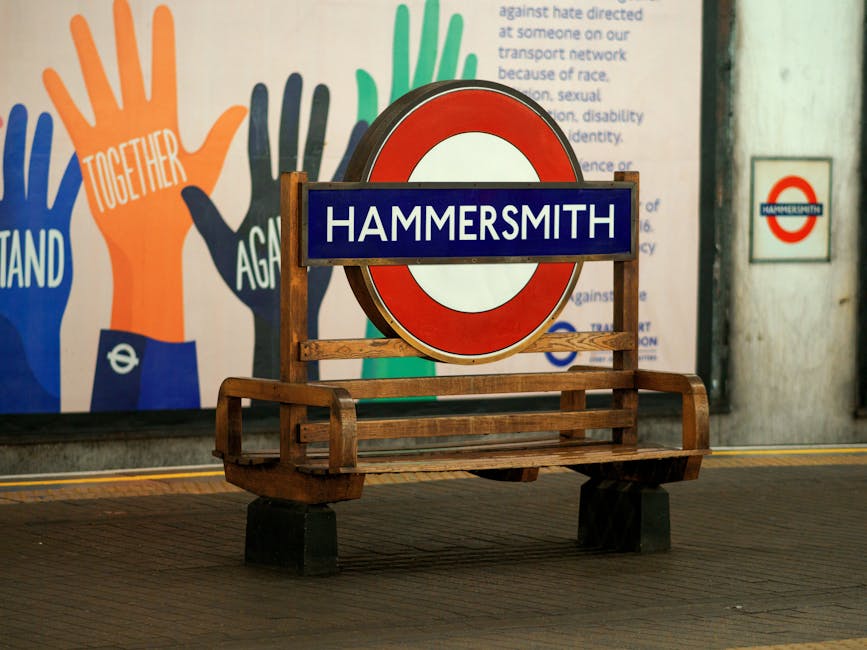
Hammersmith narrow access removals common problems

Anyone who has tried moving a sofa down a tight Hammersmith staircase, or threaded a wardrobe through a doorway that feels two inches too narrow, knows the feeling: you can do everything right and still hit a snag. Hammersmith narrow access removals common problems are usually not dramatic in isolation, but they stack up quickly. A staircase curves the wrong way, a front path is shared, the lift is tiny, parking is awkward, or the item simply will not turn the corner. Then the clock starts ticking.
This guide breaks down the real problems that tend to show up during narrow access moves in Hammersmith, why they matter, and how to handle them without turning moving day into a small disaster. You will find practical steps, comparison points, a checklist, and a realistic look at when extra help, storage, or a different move plan makes sense. To be fair, that is usually where the biggest savings happen: not by rushing, but by planning properly.
Why Hammersmith narrow access removals common problems Matters
Narrow access is not just an inconvenience. It changes the whole shape of a move. In Hammersmith, that can mean older mansion blocks, converted flats, basement entrances, compact terraces, shared hallways, and on-street parking that disappears in a flash. Some properties look straightforward from the outside, then you discover the turn at the first landing is a real problem. Classic, really.
The common problems matter because they affect four things at once: time, safety, cost, and damage risk. If the move team cannot safely carry items through the property, you may need to dismantle furniture, use extra labour, stage items differently, or place things into storage temporarily. That is not failure. It is normal problem-solving.
They also matter because narrow access issues are often predictable. The good news? Predictable problems can be planned for. A team that asks the right questions early, checks measurements carefully, and understands local access quirks will usually deliver a calmer move than one that just turns up and hopes for the best. Hammersmith is a busy part of West London, so margin for error is slim.
Expert summary: The biggest narrow-access problems are rarely about brute strength. They are usually about planning, measurement, timing, and knowing when to choose a different handling method before the day itself starts to go sideways.
How Hammersmith narrow access removals common problems Works
At its core, a narrow access move is about moving belongings through a space that is smaller, tighter, steeper, or less direct than standard access. That might mean a narrow staircase, a tight hallway, restricted parking, no lift, or a building entrance that cannot take bulky furniture in one piece. The removal plan has to fit the building, not the other way around.
Most jobs start with a survey or at least a detailed conversation about access. The move organiser should be asked about the width of doors, corridor bends, stair landings, lift size, floor level, parking distance, and whether items need dismantling. If something seems a bit off, it usually is. Better to mention it twice than once too late.
From there, the job is broken down into handling stages. Smaller items may be moved as normal. Larger pieces may be wrapped, rotated, dismantled, or carried by a specialist team. In some cases, a man and van service is enough. In others, the practical answer is a full removals team with extra care, or a combined move that includes removals and storage while access constraints are dealt with one step at a time.
When access is really tight, teams often use a sequence like this: protect the property, measure problem items, clear a route, dismantle what can be dismantled, carry in the right order, and pause before the final squeeze if needed. That last pause matters. It is where rushed moves become scratched walls and strained backs.
Key Benefits and Practical Advantages
Handled properly, narrow access removals are not just possible; they are often far smoother than people expect. The key is to make the constraints work for you instead of pretending they are not there.
- Lower damage risk: Less clipping door frames, scuffing paint, or trapping corners against banisters.
- Cleaner decision-making: You know in advance which items need dismantling, wrapping, or storage.
- Reduced stress: You are not improvising under pressure with a mattress halfway down the stairs.
- Better timing: A clear plan often cuts down on delays caused by trial-and-error carrying.
- Safer handling: Narrow staircases and awkward landings are easier to manage when the route is mapped out.
There is also a hidden benefit that people overlook: better packing discipline. Once you know access is tight, you naturally become more selective about box sizes, furniture breakdown, and load order. That means fewer heavy, overfilled boxes and less chaos at the door. Small win, big difference.
If you have more items than space at the destination, it can be sensible to plan some holding time in short-term storage or, if the move is more open-ended, long-term storage. That gives you breathing room, which is worth a lot on a stressful move.
Who This Is For and When It Makes Sense
This kind of move is relevant to a lot of people in Hammersmith. It is not just for top-floor flats or old buildings either. A property can look modern and still have narrow access through underground car parks, lift restrictions, or awkward internal layouts. You know the sort of thing: lovely place, impossible corner.
It makes sense if you are:
- moving into or out of a flat with tight stairs or a small lift,
- dealing with a basement or garden-level access route,
- moving furniture that is bulky, fragile, or hard to turn,
- relocating an office with equipment, filing, or partitions,
- working around parking restrictions or a long carrying distance,
- trying to move in stages because access is limited at one end.
Students and renters often need this help when they move into converted flats near busy roads. Businesses need it when office layouts are shared or the building management has strict access windows. Families tend to notice it most with wardrobes, beds, sofas, and white goods. Those items always seem larger at the worst possible moment.
If your move is smaller and the access issue is mainly about speed rather than scale, a small removals option can be a neat fit. For home moves, the more complete route may be house removals or, for apartments, flat removals.
Step-by-Step Guidance
Here is a practical way to manage narrow access removals without guessing your way through them.
- Measure the problem areas. Check door widths, stair turns, lift dimensions, ceiling heights, and any awkward bends. Measure the largest items too, not just the rooms.
- List the bulky items first. Sofas, wardrobes, mattresses, beds, desks, and appliances should be identified early. These are the pieces that usually cause the drama.
- Decide what can be dismantled. Flat-pack furniture, bed frames, tables, and some shelving can often be broken down safely. Keep screws and fittings in labelled bags.
- Clear the route. Hallways, landings, and door thresholds should be free of clutter. A tight move gets tighter very quickly if boxes are left in the way.
- Protect surfaces. Use covers, blankets, and corner protection where needed. This is not overkill; it is common sense.
- Plan the carry order. Move smaller or awkward items first if they open up the route. In some properties, a large item should go last. In others, first. There is no one-size-fits-all answer.
- Build in time for parking and access. Hammersmith streets can be busy, and a vehicle that is perfectly placed in the morning can be in the wrong place by lunchtime.
- Use storage if the layout is against you. If access at the destination is not ready, store part of the load temporarily and move in once the route is safe.
One practical detail that people miss: keep a separate "access box" with tape, a Stanley knife, zip ties, markers, and basic tools. When you need to dismantle a bed at 7:45 in the morning, you will not want to hunt for an Allen key in a random mug box. Believe me.
Expert Tips for Better Results
After enough moves, a pattern becomes obvious. The jobs that go best are usually the ones where someone quietly checked the awkward details early. Here are the things that help most.
- Take photos of the access route. Stairwells, tight corners, lifts, external steps, and parking bays all tell a clearer story in photos than in memory.
- Be honest about the biggest item. If the wardrobe is really enormous, say so. It will not shrink because you wish it to.
- Separate fragile and high-value items. Anything delicate should be packed and moved with extra care, not bundled in with everything else.
- Use sensible box sizes. In narrow access situations, medium boxes are often better than large ones because they are easier to carry and turn.
- Think in layers. Some items can be moved to a staging point first, then adjusted, then carried on. That is often safer than forcing one perfect move.
If your move involves office equipment or files, it can help to split the job between office removals and office storage. That gives you room to protect equipment and avoid rushing sensitive items through a cramped route.
Another sensible option is packing services. Not because packing is glamorous. It is not. But professional packing can reduce overfilled boxes, damaged corners, and that awkward moment when a box fails the staircase test halfway up.
Common Mistakes to Avoid
Most narrow-access problems are made worse by a few avoidable mistakes. The good news is that they are fixable, once you know what to look for.
- Assuming a sofa will fit because it fit somewhere else. Different stair geometry changes everything.
- Ignoring the route, not the room. A large room can still have a useless doorway.
- Leaving measurements to the day itself. That is asking for delay.
- Not checking lift restrictions. Some lifts look generous until the doors close on the trolley.
- Overpacking boxes. Heavy boxes are harder to carry, harder to turn, and more likely to be dropped.
- Forgetting about parking. If the vehicle cannot stop close enough, every item becomes a longer carry.
- Trying to force an item through a route that is clearly wrong. This is where damage and injury tend to happen.
A slightly awkward truth: many of these errors happen because people are trying to save time. But in practice, they usually create more delay. The move gets stop-start, everyone gets tired, and the safest option ends up being the one that should have been chosen first.
Tools, Resources and Recommendations
You do not need a truck full of specialist kit for every move, but the right basic tools make a serious difference when access is tight.
| Tool or resource | Why it helps | Best used for |
|---|---|---|
| Measuring tape | Checks items and access points before move day | Doors, stairs, lifts, furniture widths |
| Furniture blankets and covers | Reduces scuffs and surface damage | Woodwork, sofas, frames, appliances |
| Tools for dismantling | Lets bulky items be reduced safely | Beds, tables, shelving, wardrobes |
| Labels and marker pens | Keeps parts and boxes organised | Screws, fittings, room labelling |
| Storage solution | Takes pressure off tight access plans | Staged moves, delays, temporary holding |
For home contents, secure storage can be useful if you need to keep items safe between addresses. For general household overflow, household storage is often the practical middle ground. And for furniture that simply cannot go in the first attempt, furniture storage gives you space to regroup without panic.
One more recommendation: if the move is time-sensitive and you need a mixed solution, look at removals alongside storage rather than treating them as separate problems. Combined planning usually saves headaches.
Law, Compliance, Standards and Best Practice
Narrow access removals are mostly about safe working practice, not heavy regulation, but that does not mean compliance is optional. Good movers should work with care for health and safety, use sensible manual handling methods, and take reasonable steps to protect people and property. That sounds obvious, but the obvious is exactly what protects you when a hallway is tight and the staircase is unforgiving.
In the UK, good practice usually includes proper risk awareness, correct lifting technique, route planning, and enough care to avoid preventable damage. For household and business customers, insurance and terms also matter. If something gets knocked, scratched, or delayed, you want clarity before the move starts, not afterwards when everyone is tired and slightly frazzled.
It is also worth paying attention to the moving company's own policies. A transparent provider should be able to explain its approach to safety, payments, privacy, complaints, and insurance. Useful pages such as the health and safety policy, insurance and safety information, payment and security details, and terms and conditions help set expectations early.
For businesses, especially those moving files, devices, or archive material, document storage and business storage can be very sensible while access is being sorted out. It keeps the work moving without pushing boxes through a route that is plainly too tight.
Options, Methods, and Comparison Table
Not every narrow-access move needs the same solution. Sometimes the right answer is a careful direct move. Sometimes it is storage first, move later. Sometimes it is a smaller vehicle and a lighter load. The trick is matching the method to the access problem, not the other way round.
| Approach | Best for | Strengths | Trade-offs |
|---|---|---|---|
| Direct narrow-access removal | Manageable stairs, measured furniture, clear route | Fastest when the plan is accurate | Less forgiving if measurements were wrong |
| Man and van with careful loading | Smaller loads and flexible access | Simple, practical, often cost-efficient | Not ideal for large bulky homes |
| Removal plus storage | Staged moves, delayed access, awkward furniture | Reduces pressure on move day | Requires an extra step and planning |
| Small removals route | Light household or student moves | Good fit for tight buildings and limited loads | May not suit larger furniture sets |
If you are mainly moving a small number of items into a compact property, man and van or small removals may be enough. If you need a more complete household move, the broader house removals route tends to be more appropriate.
Case Study or Real-World Example
Picture a typical Hammersmith move: a two-bedroom flat on an upper floor, a narrow stairwell with one awkward turn, and a sofa that looked perfectly normal in the living room but suddenly appears to have grown overnight. The team measures the route, checks the sofa against the doorway, and realises it will not pass safely in one piece. Not even close.
Instead of forcing it, they make a better call. The sofa is partially dismantled, the fittings are bagged and labelled, and the route is protected with covers. One wardrobe is moved first because it opens the landing space. Smaller boxes go next, then the bulky item is carried with a pause at the turn. It takes longer than a standard move, yes, but the walls stay clean and the job finishes without drama. That is the sort of day everyone prefers, even if nobody says it out loud.
In another case, the access at the destination is not ready until late afternoon. The practical answer is to keep part of the load in mobile self storage for a short period, then complete the move once the route is clear. That kind of flexibility can turn a messy day into a manageable one. Sometimes the quiet answer is the best answer.
Practical Checklist
Use this before move day. It is simple, but it catches most of the problems that cause delays.
- Measure the widest furniture pieces.
- Measure doors, stair turns, corridors, and lifts.
- Check parking distance from the property.
- Confirm whether the building has restrictions on move times.
- Ask what items need dismantling.
- Keep tools, tape, and screws together in one labelled bag.
- Use medium-sized boxes where possible.
- Protect floors, banisters, and corners.
- Decide whether any items should go into storage first.
- Confirm insurance, terms, and payment details in advance.
And one more, slightly human one: do a final walk-through when the property is quiet. Ten minutes in silence often shows you things that noise and stress hide. The loose cable. The planter by the hallway. The chair you forgot was still blocking the landing. That sort of thing.
Conclusion
Hammersmith narrow access removals common problems are usually manageable once you stop treating them as surprises. Tight staircases, awkward corners, parking pressure, and bulky furniture all create friction, but they do not have to create chaos. With accurate measurements, sensible packing, realistic timing, and the right mix of removal and storage support, you can handle the move cleanly.
The best moves in narrow-access properties are rarely the fastest-looking ones. They are the carefully planned ones. A little extra checking at the start saves a lot of heavy breathing, scratched paint, and late-afternoon regret. Truth be told, that is a trade worth making.
If you are weighing up the safest route for a tight move, or you are not sure whether storage, packing help, or a smaller removals setup would work best, start with the access problem itself and build the plan around that. It is a more honest way to move, and usually the calmer one too.
Get a free quote today and see how much you can save.
Frequently Asked Questions
What are the most common narrow access problems during removals in Hammersmith?
The most common issues are tight staircases, small lifts, awkward corners, limited parking, narrow hallways, and furniture that is too large to turn safely. In older or converted buildings, a route can look fine at first glance and then become a problem at the first landing. That is very typical.
How do I know if my furniture will fit through the access route?
Measure the furniture at its widest point and compare it with the tightest part of the route, including the door frame, stair turn, and landing space. If the item is close to the limit, assume it may need dismantling or a different handling method. Close enough is not really close enough here.
Should I dismantle furniture before a narrow access move?
Yes, if dismantling makes the item easier and safer to move. Beds, tables, shelving, and some wardrobes are common candidates. Just keep the fittings labelled and together, because missing screws have a strange talent for vanishing at the worst possible time.
Is narrow access removals more expensive?
It can be, because extra time, extra care, or extra labour may be needed. But not every narrow-access move costs more. If the route is well planned and the items are prepared properly, the job can still be straightforward. The main cost driver is usually complexity, not the postcode itself.
What should I do if parking is difficult outside my property?
Plan the parking situation early and be realistic about loading distance. If the vehicle cannot get close, factor in more time and possibly more labour. This is one of those details people regret leaving to chance, especially on a busy Hammersmith road.
Can storage help with narrow access removals?
Yes. Storage is often very useful when the destination is not ready, when access is too tight for everything at once, or when you want to move bulky items in stages. Options like short-term or long-term storage can reduce pressure on the actual moving day.
What kind of packing is best for tight staircases and small lifts?
Use medium-sized boxes, keep them evenly filled, and avoid overpacking. Label everything clearly and wrap fragile items well. The goal is not to make boxes look impressive; it is to make them easy to carry and safe to place on a narrow landing.
Do I need a specialist team for narrow access removals?
Not always, but it helps if the team has real experience with tight routes and awkward buildings. A general move team can sometimes manage it, but specialist handling becomes useful when furniture is bulky, access is especially awkward, or the property has multiple restrictions.
What if the sofa, bed, or wardrobe still will not fit?
Then you need to stop forcing it and choose another route. That may mean dismantling, carrying by a different path, or moving the item into storage for later. Forcing it tends to cause damage, and nobody wants a story that starts with "we thought it might just squeeze through."
How far in advance should I plan a narrow access move?
As early as you can, ideally once you know the move date. The earlier you check measurements, parking, and building restrictions, the more options you have. Even a week of extra planning can make a noticeable difference, especially in busy areas.
Are office moves handled differently from home moves in narrow access buildings?
Yes, because office equipment, files, and shared building access often need more coordination. You may need to split the move, use storage, or move key items first. Services like office removals, office storage, and document storage can help keep the process orderly.
What is the safest way to deal with a really tight staircase?
The safest approach is to measure the route, protect surfaces, use the right number of people, and dismantle items that are too large to carry comfortably. If the staircase is especially tight, pause and assess rather than forcing the carry. A careful stop is better than a damaged wall or an injured back.